Tuesday, December 13, 2011

Problems with CooKit Design

Dr. Satish and I have been talking about it seems like we have hit a hitch on the modifications to the solar CooKit. We've been trying to make the device more suitable to the to the humid climate of Dhanushkodi, which has proved a bit challenging. The problem we are facing is finding a pot that fits properly into the CooKit, which also absorbs the photons of light efficiently. We have found a variety of pots but the 3 parameters that we need to reach, which are absorption efficiency, cost, and size, have not yet been met.
The pot we are looking for is something like this:
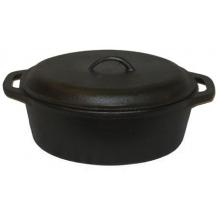

but most of these types of pot cost around $40 and the cheapest ones we can fine are $15. Compared with the new cost of the device, which sits somewhere around $15 itself, the pot need to be much less.

Thursday, September 8, 2011

Modifying the CooKit

Dr. Satish, one of the helpers on my last trip, has done some modifications to the CooKit to tailor it to the South Indian climate. He has just finished some field tests and sent me the results and pictures.

It looks quite the same as the old one, but it uses a different cardboard, and has a specially made pot

The rice is fully cooked after one and a half hours of direct sunlight.

The doctor tells me that the new design is more efficient at reflecting the rays of the sun towards the bowl, it is cheaper to produce, it is lighter, and is anchored defferently.

We are making some real progress with the design and hopefully the cooker will be helping the villagers by next year.

Tuesday, July 26, 2011

Update on the CooKit

Dr. Satish and I have recently restarted our discussions on the CooKit, and we have been working on some ideas to take the CooKit to a more serious level of integration in to the Rameshwaram community and beyond. We have made changes that optimize the way the food gets heated and well as some other changes that make it more suitable to the South Indian climate.

Tuesday, June 7, 2011

Nutrition for the Poor: The Trip Pt. 2

I finally found the stash of photos from the next part of the trip so here we go...

The next village we visited was a middle class community by Dhanushkodi standards.
They were the least impressed, as they had enough money for a gas stove, and didn't care about pollutants.

Showing how the device catches the light

We finally arrived at the last village. This one was the most poverty stricken, but also the ones most interested in our device, as they would be the ones who could gain the most benefits from the cooker. As great as not polluting and being green is, the cooker's primary use is to cook food for dirt cheap, and it served this purpose well. I left one of our demonstration cookers with the village so they could try it out for themselves.

The villagers and I

Monday, April 25, 2011

Nutrition for the Poor: The Trip Pt. 1

I have finally settled back into life at school after the trip to Rameshwaram. Looking back on the trip, I really have to thank Mr. Bollu Satish, a researcher, who helped me plan, execute, and log all the tasks that had to be done throughout the trip.

I got off at Rameshwaram at 6 a.m. and went straight to work testing the CooKit (yes, it is sunny at 6 a.m. in India) and making sure everything was in place. The plan was to show the device to the women of three villages over the course of the day.  I hoped to generate enough interest so that they would want one enough to buy it, otherwise, if we gave it away they would take it for granted and most probably use it less.

The first village I presented the CooKit to was relatively wealthy, meaning they could afford electricity, and running water. The women of the village were enthusiastic when they learned that the CooKit could cook their meals without needing to burn kerosene and ruin their lung or risk fire. I left a CooKit with one of the women and showed everyone how to use it.

Setting up the device for the villagers to see

Showing the size of a folded CooKit

Monday, March 21, 2011

Nutrition for the Poor: Donations and Supplies

I have started to send out emails requesting donations for this project. I also ordered five of the CooKits so that I could have them as examples to teach the villagers. When I go to Rameshwaram, I want to be able to be able to teach the people there how to use the solar cooker, and then teach how to make them on the spot. The CooKit is simple enough that mostly anyone can build a makeshift one with only tape, aluminum foil, and cardboard.

Sunday, March 20, 2011

Nutrition for the Poor: The Idea

Spring is coming up, and for part of my break I will be making a trip to India. Every year I make a trip to Dhanushkodi, each time to help the poor children and their families with problems they face in their lives. The last time I was at Dhanushkodi I found that many of the children were suffering from extreme malnutrition. Most of the villagers have a diet of mainly fish, and most think that vegetables and rice are not tasty or sustainable, and are expensive to prepare.

I have been doing research on how they could eat healthier food, and one way is to introduce easily made boiled vegetables and rice into their diet. The people of the village are very poor, so they cannot pay a bill every month to have gas and electricity needed for proper cooking.

I have found a way for the villagers to cook food in a sustainable fashion. Using solar power, a small device called the CooKit can boil rice and other foods completely free. All that is needed is sunlight. This device only costs $25 each, and if successfully implemented, is easy to produce for even cheaper.
More information on the device can be found here: http://solarcooking.wikia.com/wiki/CooKit